
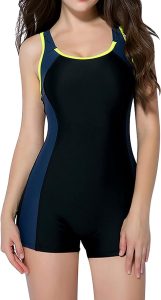
Importing clothing products from Bangladesh to the USA can be a profitable venture if done correctly. Bangladesh is one of the world’s leading clothing manufacturing countries, with a reputation for producing high-quality clothing products at a reasonable cost. In this article, we will discuss the steps involved in importing clothing products from Bangladesh to the USA.
Planning & Research
Before importing clothing products from Bangladesh to the USA, it is essential to conduct thorough research and planning. Here are the steps involved in researching and planning for clothing imports:
Identify the target market: Determine the target market for your clothing productsclothing products in the USA. This will help you to determine the type of clothing you need to import.
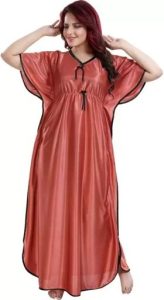
Analyze the competition: Analyze the competition in the USA to determine what types of clothing products are already available. This will help you to identify gaps in the market that you can fill.
Develop a business plan: Develop a comprehensive business plan that outlines your goals, objectives, and strategies for importing clothing products.
Determine the legal requirements: Determine the legal requirements for importing clothing products from Bangladesh to the USABangladesh to the USA. This will include obtaining any necessary licenses and permits.
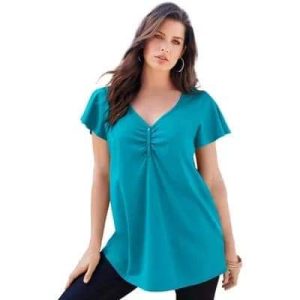
Sourcing Clothing Suppliers
The success of an import business in the clothing industry depends on sourcing reliable and high-quality clothing suppliers. Here are the steps involved in sourcing clothing suppliers in Bangladesh:
Research potential suppliers:
Research potential clothing suppliers in Bangladesh through trade fairs, online directories, and referrals from other businesses.
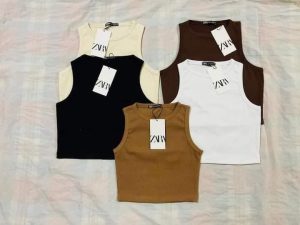
Evaluate the supplier’s credentials:
Evaluate the supplier’s credentials, including their experience, reputation, and certifications.
Negotiate terms:
Negotiate the terms of the clothingterms of the clothing supply agreement, including price, quantity, quality, and delivery times.
Establish a long-term relationship:
Establish a long-term relationship with the supplier based on trust, mutual respect, and open communication.
Importing Clothing Products
Once you have identified and established a relationship with a clothing supplier in Bangladesh, it is time to import the clothing products. Here are the steps involved in importing clothing products from Bangladesh to the USA:

Arrange shipping:
Arrange shipping for the clothing products from the supplier in Bangladesh to the USA. This will involve selecting a freight forwarder or shipping company.
Complete customs procedures:
Complete the necessary customs procedures, including obtaining any necessary import licenses and paying any duties and taxes.
Inspect the clothing products:
Inspect the clothing products upon arrival to ensure that they meet the agreed-upon quality standards.
Store and distribute the clothing products:
Store and distribute the clothing products to customers or retailers in the USA.
Marketing and Sales
Marketing and sales are essential components of a successful import business in the clothing industry. Here are the steps involved in marketing and sales:
Develop a marketing plan:
Develop a comprehensive marketing plan that includes strategies for reaching potential customers and retailers in the USA.
Attend trade shows:
Attend trade shows and other industry events to showcase your clothing products and network with potential customers and retailers.

Establish a website:
Establish a website for your clothing products that showcases your brand, product line, and contact information.
Build relationships with customers and retailers:
Build relationships with customers and retailers in the USA based on trust, mutual respect, and open communication.
Managing the Business
Managing an import business in the clothing industry requires careful attention to detail and strong organizational skills. Here are the steps involved in managing the business:
Monitor inventory levels:
Monitor inventory levels to ensure that you have enough clothing products on hand to meet demand.
Maintain financial records:
Maintain accurate financial records of your business operations, including expenses, revenues, and profits.