
Testing is an important aspect of the textile and apparel industry. It involves analyzing the performance, quality, and safety of apparel products to ensure they meet the requirements and standards set by regulatory bodies, manufacturers, and consumers. In this article, we will discuss the importance of test requirements for apparel products and why they are crucial for ensuring quality, safety, and consumer satisfaction.
The main objective of testing apparel products is to verify whether they meet the required quality and safety standards. These standards vary depending on the type of apparel product, its intended use, and the market it is being sold in. Testing is also essential to ensure compliance with government regulations and consumer protection laws.
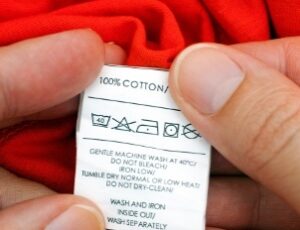
Test requirements for apparel products typically cover a wide range of parameters, including:
Fabric quality –
This involves testing the fabric’s strength, durability, and ability to withstand wear and tear.
Color fastness –
This ensures that the colors of the fabric do not fade or bleed during washing or exposure to sunlight.
Dimensional stability –
This tests whether the fabric maintains its shape and size after washing or exposure to different environmental conditions.
Flammability –
This checks the ability of the fabric to resist flames and reduce the risk of fire hazards.
Physical and chemical properties –
This involves testing the fabric’s resistance to abrasion, pilling, and shrinkage, as well as its ability to withstand chemicals, water, and other environmental factors.

Safety requirements –
This includes testing for the presence of hazardous substances such as heavy metals, formaldehyde, and other harmful chemicals.
Fit and comfort –
This involves testing the garment’s fit, ease of movement, and overall comfort level for the wearer.
Testing helps to identify potential problems with the apparel product before it is released to the market. This can include identifying issues with the design, fabric quality, or manufacturing process that may affect the product’s performance or safety. Identifying these issues early can help manufacturers to make necessary improvements and prevent potential safety hazards.
Another benefit of test requirements for apparel products is that they can help to improve the product’s overall quality and performance. Manufacturers can use test results to identify areas where they can make improvements to the design, materials, or production process to enhance the product’s performance, durability, and safety.

In addition to improving the product’s quality, test requirements can also help to build consumer confidence in the brand. By testing apparel products and meeting or exceeding safety and quality standards, manufacturers can demonstrate their commitment to consumer safety and satisfaction. This can help to build a strong brand reputation and increase customer loyalty.
Overall, test requirements are essential for ensuring the safety, quality, and performance of apparel products. They help to identify potential problems early, improve the product’s quality and performance, and build consumer confidence in the brand. By complying with test requirements, apparel manufacturers can meet regulatory standards, ensure consumer safety, and produce high-quality products that meet the needs of the market.